Keep Your Pooch Entertained In Lockdown And New Ways To Train As You Have The Time
In the past couple of weeks, everyone has had a very hard time. Changing our routines, trying to find new ways to keep our dogs and kids entertained in lockdown, moving our offices at home- none of it has exactly been easy.
Making sure everyone- including the family dog- is happy and entertained can be exhausting, and you need to find more and more ways to do so.
In general, you are allowed to take your dog out, even to the park if you follow social distancing guidelines. However, not everyone lives near a park, beach or other feasible outdoor area, so it’s a good idea to know how to entertain your dog at home regardless.
Some dogs have more energy than others, and if you are in this situation, you will need to provide him with physical and mental stimulation during the lockdown.
Here are some games you can play with your pup while you’re in lockdown.
1. Create an obstacle course
You can create an obstacle course with what you have around the house or, if you prefer the fast and easy route, buy a dog obstacle course kit online. Either way, both you and your dog will have a blast navigating it. Who knows, you may even train the next agility dog show rock star!
2. Tug of War
Tug of war is a great game you can play with your pup, as long as he is somewhat trained. He needs to know when to release and also how to play. If he doesn’t know these things, he may accidentally hurt you or himself.
3. Use interactive treat toys
The days can get very boring for everyone, and using food toys can add another activity to your pup’s schedule. There are many models you can choose and your dog will be more than happy to work for his food.
4. Hide and Seek
Hide and seek can be a very fun game to play inside with your dog. All you need are some treats and some very fun spots to hide. Just go ahead and hide, and call out your dog. As soon as he finds you, give him a treat, and go again. This is a game you can play with the whole family!
5. Teach new tricks and commands
In case you didn’t get the time so far to teach your dog every little command, now it’s the time. You can buy yourself a clicker and start teaching your dog to do all sorts of things.
6. Sleep
Even though you’re in lockdown, it doesn’t mean you can neglect sleep. An adult dog needs to sleep between 12 and 14 hours a day, and a puppy needs about 18 hours a day. Make sure you give him the time to rest and prepare for a new series of activities.
At the same time, make sure to adjust his diet. It’s very important to protect your pup. If he doesn’t have a lot of physical activity, you may need to give him a little less food. Obesity can affect every dog and you may have a hard time fixing it.
Keeping in mind your dog’s best interests, make sure he gets all the activity he needs. Even though it may be hard, there are always things you can do. Be there for him with every adjustment and maybe teach him a new trick.
In recent weeks as the UK went into lockdown we all had to adapt to a new daily routine, including our four legged friends. Exercise is so important for dogs, not only for their physical health but their mental wellbeing too, and a daily walk is essential as it allows them to burn off energy that has built up.
Given the current circumstances, taking your dog for a walk may be harder than it usually would. Some dogs may require a few walks a day while others may only need one, this is dependent on your dog’s health and fitness levels as well as their age. Hopefully as restrictions are slowly lifted you’ll be able to find the right balance to ensure your pooch gets enough exercise on their daily walk.
If you want to find out how long your dog needs to be walked for, this dog walking calculator from Regattagives you a rough idea based on your dog’s breed. Taking your dog out for a walk is not only beneficial for them but it will do you some good too.
Luckily for Zuki and I, we have some great locations nearby that make great dog walks. Here’s a few of our favourite places.
Sherwood Pines
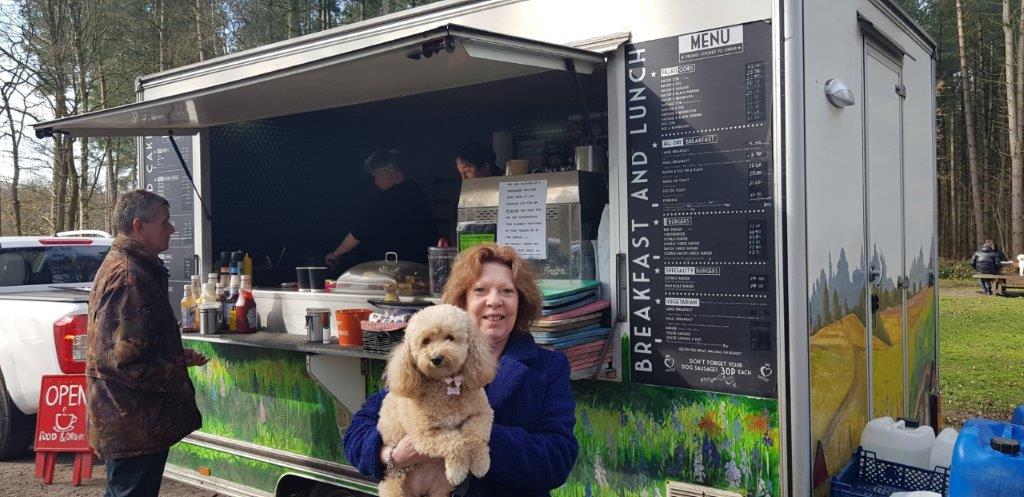
Sherwood Pines is the largest forest in the East Midlands that is open to the public. With 3,300 acres of woodland it’s a great place for your dog to wander and explore. The forest hosts a number of events throughout the year which are dog friendly and there are plenty of wooded pathways for Zuki to explore both here and at Blidworth Woods. This is another popular location amongst the dog walking community, situated at the southern end of Sherwood Forest with a shorter white route plus a longer blue trail, which is just over three miles. At the end of our walk we love to head to Jan’s Van to get a dog sausage! Hope she can reopen soon!!!
Burntstump Country Park
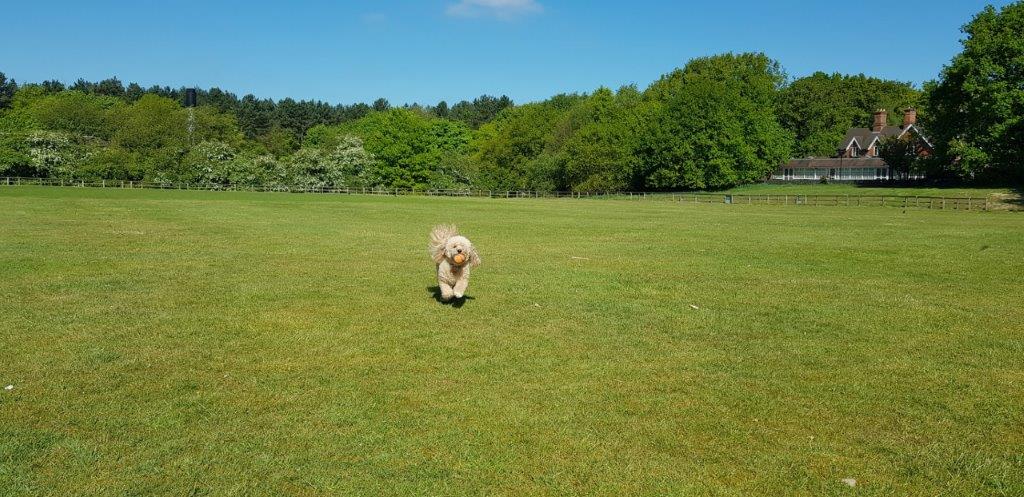
Another one of our favourite walks is Burntstump Country Park, which we go to quite often. It’s great for dog walkers as there’s a good combination of grassy and wooded areas. The park looks great in any weather and we often meet up with Zuki’s furry friends for a game of catch.
Kings Mill Reservoir
This nature reserve makes a great dog walking route as you can follow the trail around the lake, which provides stunning views and has plenty of waterfowl such as ducks, geese and swans. There are usually people in boats on the lake, or people fishing and it’s just a really lovely place to take a nice afternoon stroll. Currently there is a one way system in place and notices to maintain social distancing. There’s also an on-site cafe that has a range of hot and cold food should you wish to visit after your walk which we hope can reopen soon.
Thieves Wood
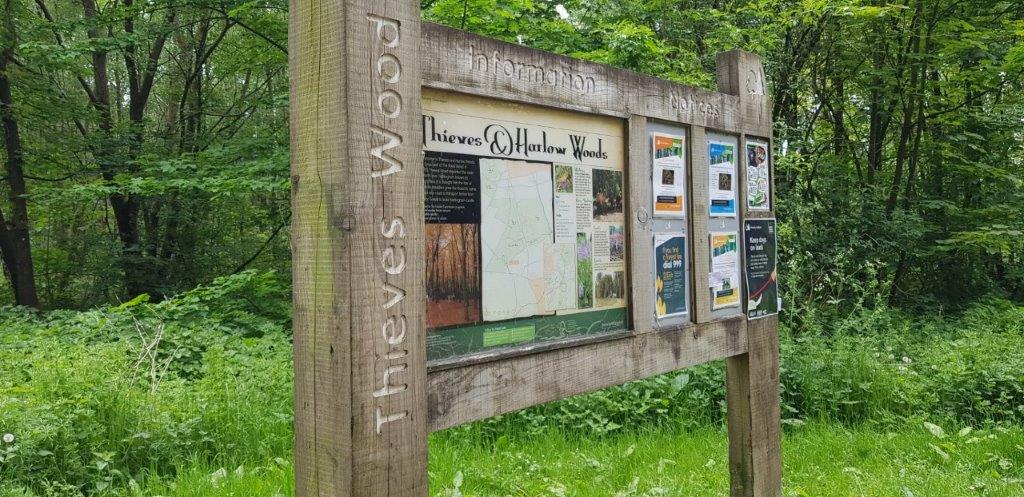
Thieves Wood is enjoyed by many, with or without dogs – but it does provide a quick dog walking route if you’re in a hurry. At the entry to the woods there is a specific loop which is close to the car park. There are a variety of trails to take, each offering differing terrain for all abilities. Dogs are not required to wear leads but the woods are popular with horse riders, ramblers and bikers so keep this in mind if you visit.
We also love to explore our village, Ravenshead, as it’s really friendly and safe, with lots of dog friendly pubs (hopefully open again soon) and shops. Dogs are especially welcome in the post office where they are offered a dog biscuit. This make Zuki very happy. These are just a few places I like to take Zuki for a walk but we’re lucky to have many more close by too.
Just take a look at what arrived in the post today! Socks with my pretty little face printed all over them!!! Wowzers – now that is cool!!!!
They were sent to Hum from the PrintsField Team to try to see what she thought of them.
Well Dog Pals, I thought as they had my face on, they should be for me but I tried them on and unfortunately they is way to big for my little paws so Hum gets them to wear.
She was most excited to get them and when she tried them on, she said they were very soft and comfortable – good quality socks. Next cold day she is going to wear them out on our walk and show everyone her fabulous socks with of course my face on. She said she would be MOST proud and can’t wait. Said the socks had really cheered her day 😊
Anyway, she said they are AWESOME so has got a code for you to share with your Humans so they can get 20% a pair with your lovely face on 😊
Since this thing called Lockdown where our humans is staying at home all the time apart from our walkies, Hum has been doing lots of baking.
Well, the other day she finally stopped baking human cakes and biscuits and instead baked some Dog Treats for me!!!!! 😊
If your Humans want to treat you to these very tasty Dog Biscuits, here is the recipe:
Cheesy Dog Biscuit Recipe
Preparation Time: 15 minutes; Cooking Time: 20 mins
Difficulty: (Super) Easy
Ingredients:
115ml of hot water
1 chicken or beef stock cube/pot
1 egg
200 grams of wholemeal flour (any standard flour will do but we prefer wholemeal!)
40 grams of grated cheddar cheese
Method:
#1 Preheat your oven to 180 degrees Celsius
Pop your oven to 180 degrees Celcius so that it’s ready to bake when you are.
#2 Make your stock
Make your stock with the stock pot and bowling water and pour 115 ml into the bowl.
#3 Mix your flour, egg and stock together
With a wooden spoon, mix together your flour, egg and stock mixture to make a dough.
#4 Add in that cheese
Grate your cheese as finely as possible and then add it to the mixture.
Mix through again adding more water or flour if you feel the consistency isn’t quite right to
roll out a dough.
#5 Knead your dough and roll out
Gently flour a surface and knead your dough gently read to roll out.
Using a rolling pin, you want to create an even thickness of around 1/4 inch. The thinner they are, the quicker they will cook and vice-versa.
#6 Get creative with those dog biscuit shapes
You are now ready to cut out your favourite shapes. From circles to love hearts. Bones to doggy shapes, the world is your oyster here!
Remember to roll together any dough scraps and roll them back out again to create even more cheesy dog biscuits. You’ll be surprised how many you can get out of this small batch.
#7 Place on baking paper or a non-stick cooking sheet
Once you’ve cut out your shapes, pop them onto a baking tray.
These won’t reduce much in size, so do leave a little space between them to bake.
#8 Ready, Steady…. Bake!
It’s time to pop in the oven. I ended up with two trays and found that around 20 mins was enough to make them crisp enough to form biscuits.
I’d set the alarm for 15 minutes to check in on them (but no need to turn them over during cooking).
#9 Leave to cool before treat time
They really won’t take long to cool down and then it’s treat time!
These really are YUMMY!!!! So please show this to your humans and enjoy!!!!!
On December 31st, 2019, medical institutions in Wuhan, China reported a collection of cases involving pneumonia-like symptoms. After further investigation, doctors revealed these symptoms were caused by a novel coronavirus named COVID-19. Research continues to happen on the intricacies of this coronavirus, how it impacts the body, and how rapidly it transmits from person to person.
However, among all of this, it’s important for dog owners to ask, “Can dogs contract COVID-19?”
Here’s a detailed look at this virus, its effect on pets, and how to keep your dog safe at all times.
What is COVID-19?
Coronavirus is a general term used to describe a cluster of related viruses. These viruses bring along with them a range of diseases including the common cold, Middle East Respiratory Syndrome (MERS-CoV), and Severe Acute Respiratory Syndrome (SARS). Based on medical research, certain coronavirus spread person to person, while others don’t.
COVID-19 is a type of coronavirus and is known to transmit person to person.
Can Dogs Get COVID-19?
While we realize the impact it has on humans, what about your dog? Does it impact dogs the same way it does humans?
YES, dogs can get coronaviruses, but they are not the same as what’s being termed as COVID-19.
When a dog is diagnosed with coronavirus, the condition is called “Pantropic Canine Coronavirus”, which has only been seen in certain parts of Europe such as Belgium and France. This specific type of coronavirus thrives in the dog’s intestines and can cause a wide array of symptoms.
Continuous research is being done into the Pantropic Canine Coronavirus, but initial studies reveal it can spread further into the dog’s organs from the stomach.
How can dog owners tell whether or not their dog has the coronavirus?
Here are some of the underlying symptoms a dog will display when they have contracted the Pantropic Canine Coronavirus:
Lethargy
Diarrhea
Runny Nose
Low Appetite
High Temperature
Low Energy
Please note, a dog having one or multiple of these symptoms DOES NOT mean they have contracted the coronavirus. In fact, these symptoms are also seen in other conditions, making it important to reach out to the local vet as soon as possible for an in-depth diagnosis.
The vet will shed light on potential treatments, how to make the dog feel comfortable, and which adjustments should be made promptly at home. In general, the best course of action is to keep the environment as clean as possible when your dog is ill and implement preventative methods in your house.
Just like COVID-19, there is no listed antibiotic for the Pantropic Canine Coronavirus, which means nothing can be done to alleviate the symptoms except rest and care.
In many cases, the vet will highly recommend reducing the amount of food your dog is consuming. This helps reduce the inflammation in your dog’s intestines. Over time, the infection is going to pass on its own, especially in a younger dog with an otherwise healthy immune system. As they get better, feel free to slowly ramp up their food intake.
Can Dogs Transmit The Coronavirus?
According to the World Health Organization (WHO), dogs aren’t capable of transmitting the coronavirus to humans through breathing or sneezing. Further studies show dogs also can’t spread the coronavirus to other pets (i.e. cats, dogs).
It’s important to note, dogs can still contract specific coronavirus including the Canine Respiratory Coronavirus, but this doesn’t relate to the latest coronavirus named COVID-19. As a result, COVID-19 cannot be transmitted to humans via dogs.
However, dogs can still be carriers of the coronavirus. How is this possible if they can’t transmit it by breathing, barking, or sneezing? In general, COVID-19 can spread after an infected individual sneezes into their hands, pets the dog, and another person pets the same dog before touching their mouth or nose. While this is a rare possibility, it’s still one to account for as a dog owner.
To stay safe, dog owners are highly recommended to wash their hands after taking the dog outside for a walk or after the dog has interacted with other humans during the day.
It’s also a good idea to clean your dog’s paws after coming back from a walk. This is a smart way to reduce the chances of germs spreading throughout the house as your dog walks around from room to room.
How To Keep Your Dog Safe
Since dogs can contract the coronavirus, it’s important to keep your dog safe by implementing precautionary measures.
A good starting point is to minimize their interaction with fecal matter and/or infected food bowls. Using the same food bowl at home can do this while making sure it is washed regularly.
Please note, the average dog-related case isn’t going to display symptoms until 4+ days have passed. This means a dog can be infected for 4 days before starting to show signs of illness caused by the coronavirus. This is why it’s recommended to maintain proper hygiene as a dog owner and keep your dog as clean as possible after going outside for a walk.
Any type of crowding and/or interaction with others can spread the virus. This is why it’s best to keep your dog safe and make sure to stay as clean as you can throughout the year.
With COVID-19 being a concern, it’s also important to stay safe as a human being, which means avoiding high-traffic areas such as hiking trails, dog parks, and other relevant public spaces. You should also focus on your dog’s behaviour outdoors when it comes to touching foreign objects (i.e. handrails, bins, benches) and what they are putting into their mouth. To do this, use proper leash control to ensure the dog doesn’t endanger itself. This is also why it’s smart to stay away from high-traffic areas as these places increase a dog’s exposure to foreign objects.
If your dog is going to eat or drink something, it should come from a personal dog bowl or water bottle. Never let the dog share a food bowl with another pet outdoors. This can become an easy way to contract the coronavirus.
Final Thoughts
In the end, yes dogs can contract the coronavirus but not what’s known as COVID-19.
Instead, your dog may end up being diagnosed with Pantropic Canine Coronavirus after displaying a specific set of symptoms. A qualified vet can only make this diagnosis with the right testing apparatus.
In general, please take precautions, keep your dog clean, and stay away from high-traffic areas.
6 Home Remedies Any Dog Can Use For Instant Pain Relief.
In today’s harsh economy, it is necessary to avoid veterinary bills as much as possible. If your dog is very unwell or you are unsure about the cause of the problem then checking them into your local VET is recommended. However, if it’s a minor alignment or condition that using herbal remedies or homemade remedies can be just as beneficial.
Prevention is an important part of Pet Care. In this short article I’ll list the practical tips I’ve used and would recommend to keep your pet happier and healthier for longer.
Here are the 6 top herbal home remedies you can use safely on your dog.
1. Getting Rid of Ticks and Fleas
There is a cool little hack any dog owner can use to get rid of ticks and fleas more naturally. Make a paste of orange rinds and apply it evenly on the fur of the dog. Leave it on for at least five hours and then wash it off gently.
This is a very easy and safe home remedy for helping your dogs get rid of any unwanted ticks and fleas. It has the added bonus of not having a toxic smell or taste as well.
2. Treating dry, cracked paws
If your dog has dry or cracked paws then they can be in mild to moderate discomfort for long periods of the day. Use either Vaseline or petroleum jelly and apply it to your dog’s paws every day for four or five days.
If you do this correctly, you will soon find that your dog’s paws will start to heal and you will see a noticeable difference in their behaviour and paw dexterity.
3. Handling your dog’s odor problem
Some dogs can have foul smells for long periods of the day. While a dog bath will usually do the trick there are a few natural remedies you can incorporate into the bathtime routine to eradicate the problem.
When giving your dog a bath, you can add a few drops of vinegar into your dog’s bathwater to help ease the smell of any odor problem. However, if you have a dog that hates bathing, you can also use baking soda as a dry shampoo and sprinkle it all over your dog’s fur and then leave it to set for a few minutes before brushing it out.
This is a smart and safe way to quickly combat any odor problem and will usually do the job.
4. Dealing with insects and insect bites
Another common problem experienced by dogs are insect stings and bites. There are a few home remedies you can try to soothe the pain faster. As soon as you notice this, put an adequate amount of baking soda and water over the stung area and immediately apply ice to stop any swelling.
However, if you notice that your dog has any difficulty in breathing after a sting, take your dog to the vet immediately as he may be allergic to the sting. Let your vet know what type of insect it was that stung or bit your dog.
With all that said sometimes it’s impossible to keep your dog out of the vetinerians. IF you do decide to go do this:
5. Oatmeal for dry and Itchy Skin
Oatmeal contains chemicals called avenanthramides and phenols, which have been linked to helping anti-inflammatory conditions. Animals with very itchy skin will benefit from using it the most and it’s very simpleto use. Just apply it across all itchy areas on your dog and rub it in until the oatmeal slightly hardens.
It is a non-toxic solution and the best part is it’s eatable which makes it even safer to use.
Top Tip, try grinding the oatmeal down into a powder and then mixing it with water. Then you can apply it on all dry or inflamed areas much easier.
6. Vitamin E Oil for Skin
Vitamin E is a great antioxidant that can help slow down ageing in dogs (as mentioned by Judy Morgan a holistic veterinarian) This is an incredible remedy as it helps their skin stay moisture while at the same time provides an additional barrier against any harmful UV radiation.
Here’s how you make it naturally. In a small boiler or pot, melt two tablespoons of beeswax pellets and four to five tablespoons of coconut oil. Turn off the heat and slowly add 10-15 drops of vitamin E oil while at the same time stirring gently.
Once it’s completely cooled it is ready for application. This is a great natural remedy especially if your dog spends lots of time outside and needs the extra attention.
Remember, never give your dog anything involving onions or garlic, as these are toxic to a dog. If your dog is experiencing vomiting, diarrhea or seems to be in pain, do not try any home remedies. Call your vet immediately and bring them in to be safe.
Bio:
Hey, I’m Amy and I’m in love with my Pets! I have a diverse variety, including 2 cats, 1 dog, 3 rabbits, 2 guinea pigs, a rat and a beautiful macaw. I love writing about everything pet-related and spend as much time as I can sharing my personal experiences on my blog. UltimatePetHub.com]
We are all being asked to stay home and although this may be difficult and frustrating for us and our dogs, it is temporary and there are many things that we can all do to help make it easier.
Bored dogs are unable to cope with a lack of stimulation and may show signs of behavioural issues, so it’s important that you supplement their normal exercise routine with activities in your home and garden to keep them entertained.
If you or a member of your household show signs of coronavirus it’s important that you stay inside. You should not take your dog for a walk yourself and if you are unable to exercise them in your home or garden then you can ask someone else to walk them for you, but you should take precautions to avoid the spread of COVID-19.
Keep a routine.
Try to ensure that both you and your dog have a regular routine. If possible, make sure that they get up and go to bed at roughly the same time each day and that they have regular times for feeding and playing. This will help them know what to expect from their day. Try to encourage your dog to have some regular time and quiet periods when they are left by themselves. This will prepare them for when you go back to work and leave them for short periods.
Use food
Use a food puzzle to make meal times more stimulating for your dog, these include bases to put food on, making it more difficult to get to the food, or toys to hide food into. If you do not have one you could order one online or ask a friend or neighbour to pick one up for you.
Scent work can be a great way to keep dogs busy for ages. Try hiding treats around the garden or house and send them off in search of them.
Play with your dog
Most dogs love playing, so a good game of indoor fetch or tug of war can keep them entertained. If you are playing with your dog inside the house try to ensure that they play on non-slip surfaces to avoid injury. Make sure your dog isn’t overdoing it and give them regular breaks and access to fresh water at all times.
Use toys and dental chews to keep your dog stimulated and stop them chewing on things. If you have a number of toys why not try a toy rotation and put one away one day and bringing out another. This may stop them getting bored as quickly and will keep their toys new and exciting.
Think outside the box
Try creating an obstacle course inside your house or in your garden using toys, cushions, blankets, towels or anything you can think of. Get them to jump over a scrunched up blankets, or weave through towers of cushions. Use your imagination and take the time to teach your dog how to run the course.
Dog’s love to chase bubbles, so if you have any in the house get them out and see what your dog thinks of them.
Teach them a new trick
Learning a new trick or command is great mental stimulation for a dog. Get out the treats and try to teach “roll over”, “sit” or “paw”. YouTube is full of advice and videos on how to train your dog.
Let them go outside
If you have a garden then play outside to give them more things to investigate and smell to help keep them stimulated.
Give them things to watch and listen to
Keep the curtains or blinds open so that your dog can see what’s going on in the outside world. Put a cushion or a chair by the window to let them see outside.
Look for dog friendly podcasts for them to listen to, or TV for dogs on YouTube to provide them with other types of interest and stimulation.]
Holidaying with your family is a great way to get away from the everyday routine and build memories to last a lifetime. However, is a holiday really the same if you can’t take one valued member of the family – your much beloved pet – with you? I know travelling without my right-hand man Jake – the 4-year-old lurcher – just isn’t the same. That’s why I’ve put together a guide on the best English spots to take your dog; no adventure is complete without your pooch.
Before You Travel
Whether you are just travelling locally or coming from farther afield, there are a few things you’ll need to have sorted before taking your furry friend around the best spots in England. A routine visit to the vet a few weeks before you depart is a great way to ensure that your pet is in full health and ready for an adventure. Also, remember that all dogs travelling within the EU are required to have a pet passport from the vet; and, if you haven’t already, make sure your dog is microchipped so that should they stray too far they are easier to trace.
What to Pack
Of course, there are the necessities you need to take when travelling with your dog which include the travel crate, dog food, bed, poo bags, lead and water/food bowl. Also, don’t forget to take toys, treats and grooming supplies – England is often rainy and muddy so your doggy friend will likely need to be cleaned up after long walks or trips to the seaside.
Exploring Cornwall
Cornwall, in the south west of England, is one of the most popular destinations for visitors to England – and a great place for dog owners! The weather in this part of the country tends to be milder, making for more pleasant walks for you and your dog. Cornwall is also a particularly dog-friendly county with lots of accommodation which welcomes pet guests. A few places you’ll need to check out while in this part of the country include The Lizard Peninsula – dog-friendly and offers great cliff walks with amazing views, and Holywell Bay – voted one of the best beaches in the UK and dog-friendly all year round.
The Lake District
The Lake District, one of the most beautiful parts of England, is not only a great place for families, it’s also the perfect place to take your dog for an adventure. Head over to Muncaster Castle in the south-west where you can take your dog for free as long as they’re kept on a lead – there are over 70 acres of woodland and gardens to explore! Cruise Lake Windermere and soak up some of the incredible English countryside; dogs are welcome on the cruises free of charge.
The Yorkshire Dales
Looking for stunning walking routes and incredible bucolic landscapes? Then look no farther than the Yorkshire Dales. The Yorkshire Dales offer up the choice of gentle walks following the rivers or meandering across the wild moors and taking in the incredible scenery. Other places in the Yorkshire area that are worth visiting with your furry friend are Skipton Castle – one of the best-preserved medieval castles in the country and Helmsley Walled Garden which is found at the foot of the North York Moors, where dogs are allowed on a lead. Devon
The county of Devon, next to Cornwall in the south west of the country, is another perfect English spot to take your beloved doggy friend. Just like Cornwall, the climate in Devon is milder than much of the country and has stunning countryside and beaches. Beaches such as Saunton Sands and those along the English Riviera are all beautiful and dog-friendly – as long as your dog is good with young children and other dogs. Also, head over to the Victorian Cliff Railway for beautiful views of Devon – plus it’s only £1.50 for a return ticket. The train, powered by water, will take you to North Devon where there are many great little cafes and ice cream shops which welcome dogs.
It’s always important to do your research before you travel. Although there many dog-friendly hotels in the UK, there are often still strict rules in place. Before you visit, make sure your breed of dog is welcome, whether they need to be on the lead or not and where you can and cannot go with them – such as certain forms of public transportation. When properly prepared you and your furry family member are sure to make memories to last a lifetime – capturing some great photos along the way! Check out Jake strutting his stuff at the top of this article.]
The fear of having your beloved pet stolen is enough to keep owners up at night. Unfortunately, dog thefts are at an all-time high in the UK. That is why Oakpark, a home security specialist, has written this handy guide on dog theft to coincide with Pet Theft Awareness Day, on the 14th of February with the aim of raising awareness of the dangers and offer some tips on how you can keep your dog safe.
Why are thieves stealing dogs?
Similar to many other crimes, the motivation behind dog theft is monetary gain. A high value is now attached to some “designer breeds”, making them tempting targets for opportunistic thieves. However, criminals can make money from any breed of dog in a number of ways. Such as:
Selling stolen dogs – A quick way for dog thieves to make cash is to sell stolen dogs to buyers who aren’t asking to many questions about their new pet’s history. Always buy pets responsibly or, better yet, rehome a rescue animal.
Breeding puppies – Some dog thieves are targeting dogs with the aim of taking them to puppy farms and breeding them. Designer dog breeds are more at risk of this. The conditions in puppy farms and poor and overcrowded.
Claiming rewards – Another way for pet thieves to make money from stolen dogs is to wait for the owner to offer a reward for the return of their lost pet and then pretending to have found it and claim the reward.
How to keep your dog safe from theft
Now that you know why dog thieves are targeting your pet here are some ways you can help to prevent dog theft and keep your dog safe.
Make sure your dog is microchipped – It is a legal requirement that all dogs in the UK over 8 weeks old are microchipped. This helps the authorities return any lost or stolen dogs to their owners. Make sure that you update your contact details if you move.
Give your dog a collar – It is another legal requirement in the UK that all dogs in public places wear a collar. Ensure that you include your contact details on the collar so members of the public can contact you if they find your dog. Avoid putting your dog’s name on the tag though as thieves can use this to call them.
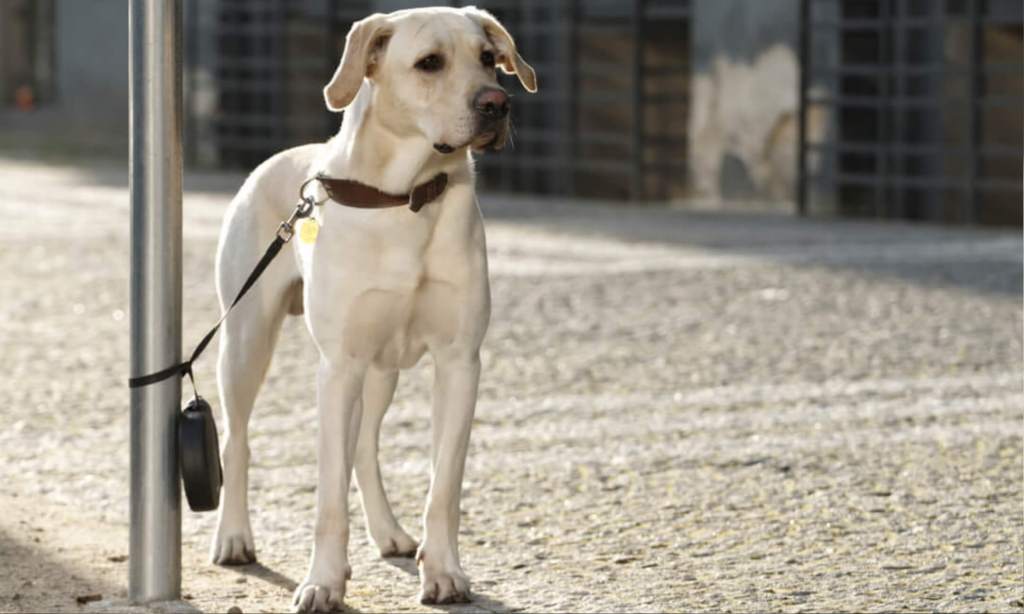
Don’t leave your dog unattended – Many dog thieves are opportunistic and will strike when you dogs are left unattended. Don’t leave your dog alone in the car or tied up outside shops. This leaves them very vulnerable to thieves.
Be careful on walks – it can be difficult to keep an eye on your dog during walks or at the park and thieves might try and take advantage of the confusion to steal your pet. Also, be cautious of anyone who takes an extra interest in you or your dog as they may be gathering information to target you.
Get your dog neutered or spayed – As we mentioned previously, some thieves are stealing dogs to breed them at puppy farms. Having your dog spayed or neutered stops this from being a risk, especially if you include it on their dog tag.
Make sure your garden is secure – Many dog owners believe their garden is completely safe but the Pet Census has estimated that up to 52% of stolen dogs are taken from gardens. Keep an eye on your dog when he is in the garden and make sure the gate is secure.
What to do if your dog is lost or stolen
If your dog is missing or you suspect that it has been stolen it is important that you act quickly. Here are some things you can do to raise awareness of your missing dog and help find them.
Retrace your steps and search – If you lose track of your dog during a walk or at the park then the first thing you should do is retrace your steps to see if you can spot where they went. Search any obvious hiding spots in the area as well.
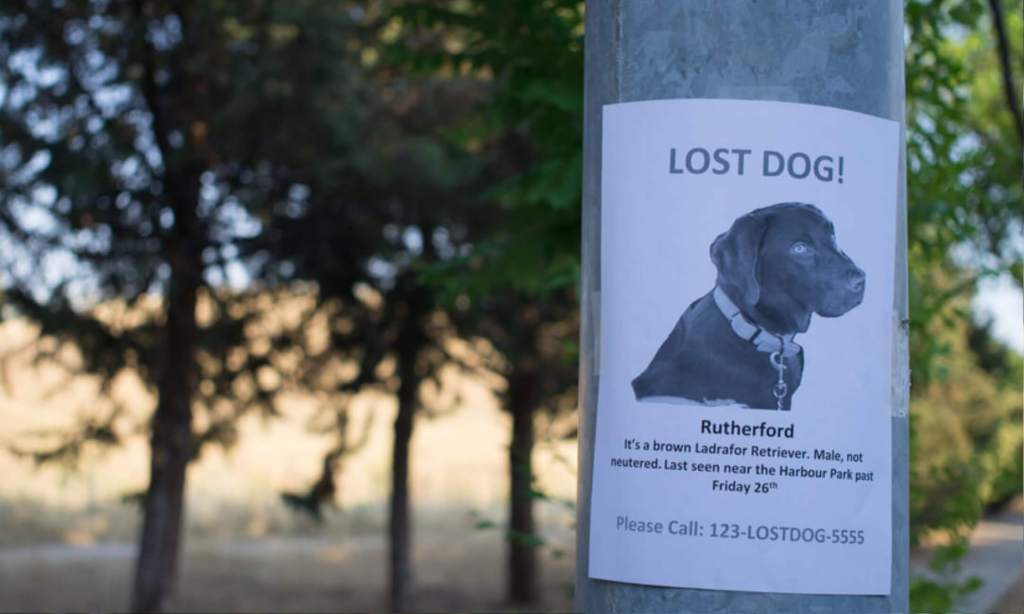
Use social media and put up posters – Social media is a great way to raise awareness and get the word out about your missing pet. Putting up posters in your local area with a recent picture of your dog and your contact details also increases the chances of someone spotting your dog.
Register your pet as missing – There are a number of online websites where you can register your pet as missing, such as Animal Search UK. This makes it easier for a member of the public to find your pet.
Contact your microchip database – Register your dog as missing with your microchip database and update your contact details to help authorities return it to you if it is found. Also, the microchip database can alert you if someone tries to re-register the chip number.
Report it to the police – Dog theft is a crime and if you suspect someone has stolen your dog then you should report it to the police. Give them as much information as you can, such as a physical description of your dog, any details of the theft and its microchip number. This will help them find your pet.
Contact local vets and shelters – If your dog is lost or stolen then contact and report it to all of the vets and rescue shelters in the surrounding area. This way they can contact you if someone finds your dog and brings it in.
I had a great afternoon last weekend. Hum & GlennDad took me to the dog friendly All Star Lanes bowling, White City in London.
The Managing Director of All Star Lanes is a big dog lover and so has introduced a dog friendly policy. All Star Lanes offers the following services for well behaved dogs across Brick Lane, White City and Manchester venues.
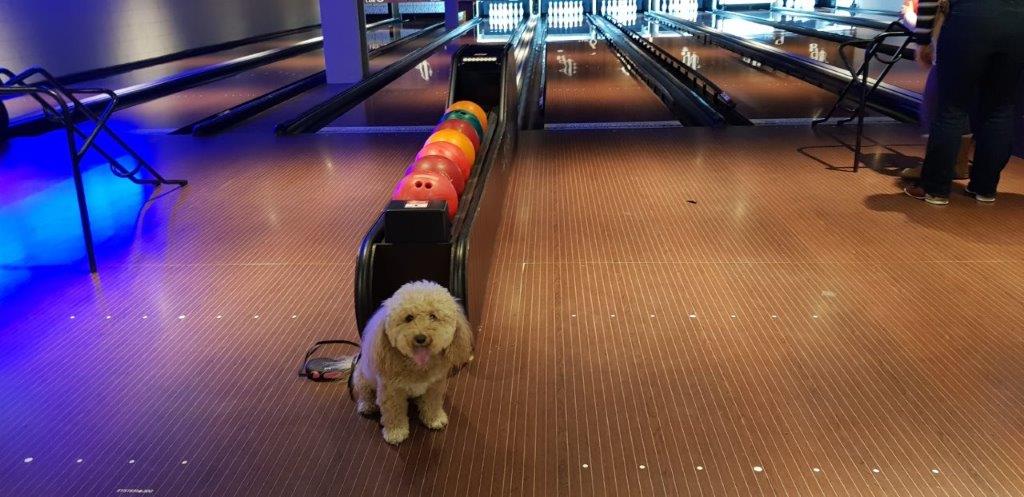
Well behaved dogs are welcome in the bar areas and on the lanes at Brick Lane, White City and Manchester venues. We ask that dogs are kept on their leads with a maximum of 2 dogs per lane at one time.
Throughout the summer there were lots of dog friendly events including, doggy bowling, a bottomless brunch, and even speed dating for single paw-rents. At All Star Lanes bowling alley in White City, there was also a summer long bowling tournament for dog parents.
Check out the Facebook page (Link above) for up and coming events.
We didn’t attend a specific event, rather Hum wanted to find something to entertain her granddaughters on a rainy afternoon, but where I would be welcome also.
And so off we went. Dogs are allowed in the bar area and at the Lanes at All Star Lanes. We met the rest of the family in the bar area and immediately a lovely girl brought me a bowl of water! Great service indeed.
When it is your turn, the humans go and get special shoes and head to the lanes. It was quite noisy but once I got used to it all, I relaxed and enjoyed watching everyone bowling.
GlennDad was meant to be really good but he lost abysmally 😉 He came last. Even little ‘E’ (who is only 3 ½ ) beat him!!!! Little M who is 6 ½ was a super star and did really well including getting a ‘strike’ which is when you knock all the pins down in one go!!!! Hum did just fine, narrowing missing out to Tom & Aurelia but she was most delighted to have beaten GlennDad I think 😉
I was a good girl and sat and watched the fun. I didn’t chase the bowls or try to knock the pins over, so everyone was most impressed.
All in all, it was a great way to spend a rainy afternoon with the whole family together having lots of fun.
SO, if you can cope with the noise, grab your humans and head to All Star Lanes for a fun day out! Maybe they will take you to the Bottomless Brunch…….








 Zuki's Dog Blog